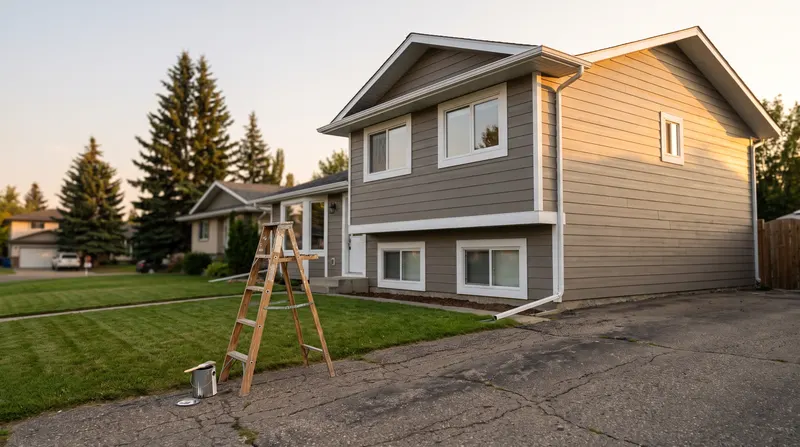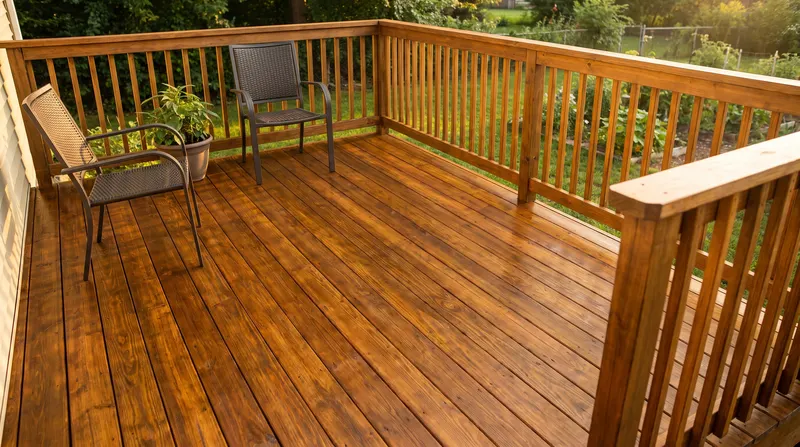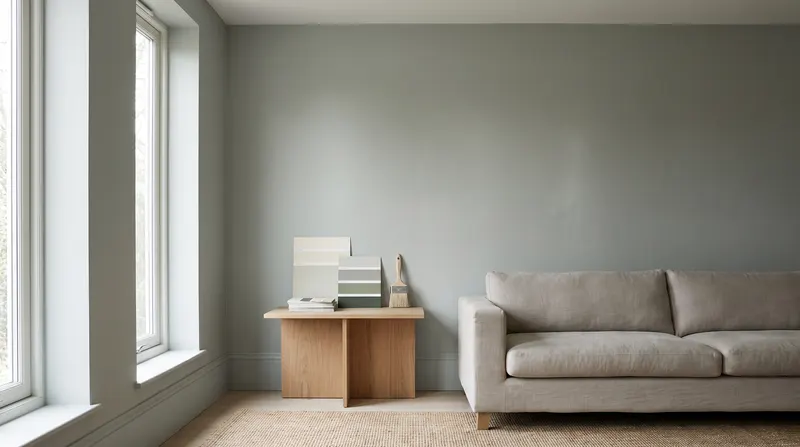
Best Time of Year to Paint a House Exterior in Calgary
October 2, 2026 · 8 min read · Vive Green Painting
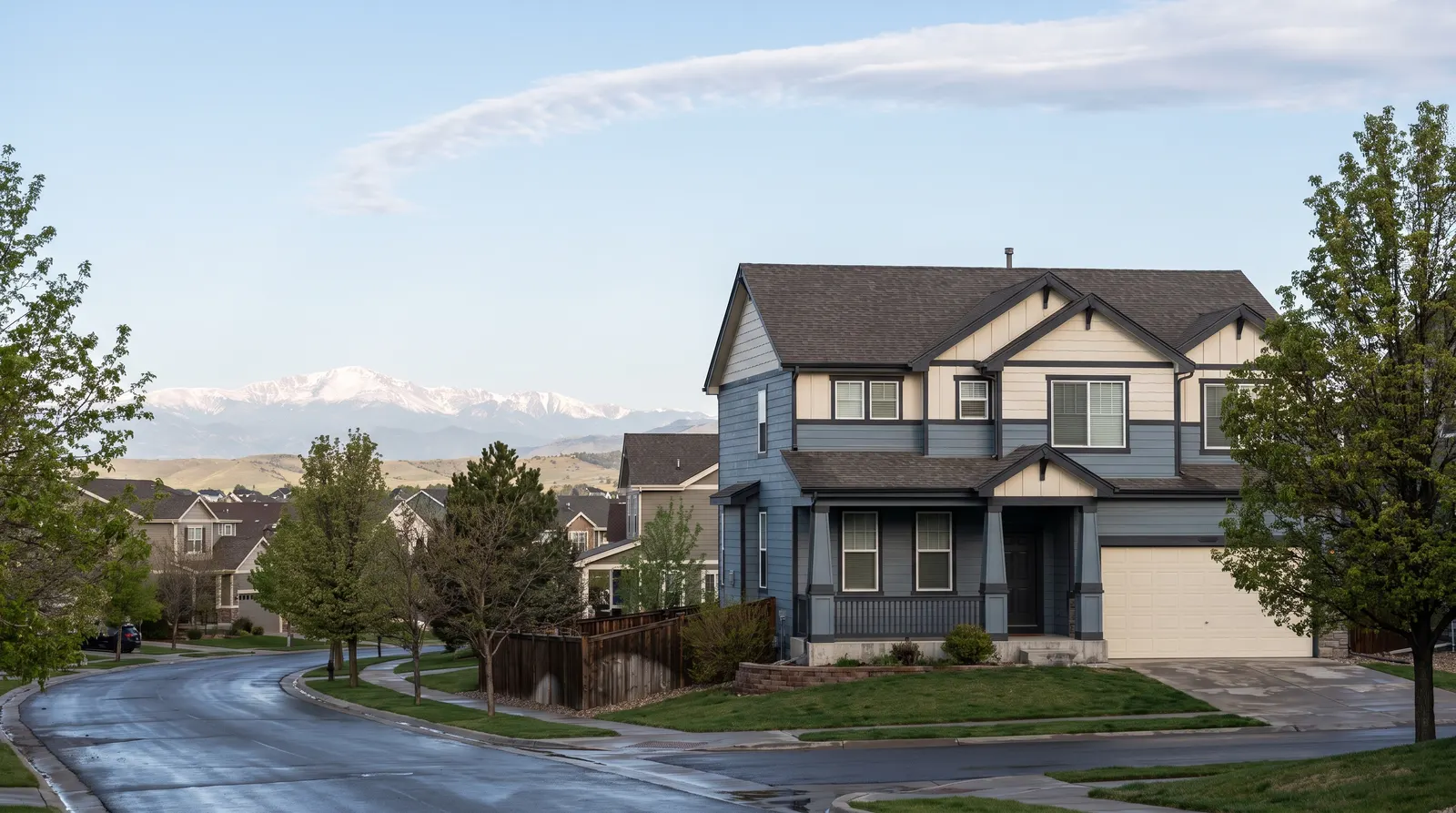
Exterior paint is only as good as the day it goes on. Put it on in the wrong conditions and it can fail in a season, with peeling, blistering, lap marks or a dull, patchy finish. In Calgary, the wrong conditions are easy to hit. The season is short, nights stay cold well into spring, and a chinook can take a morning from frost to jacket-off by lunch.
This guide explains when the right window usually opens and closes, what temperature and humidity paint actually needs, and how to read the weather like a painter.
The short answer
For most Calgary houses, the best exterior painting window runs from late spring through early autumn, with the most dependable weather usually in the summer months. The exact dates change every year. What matters is not the calendar but the conditions: air and surface temperature, overnight lows, humidity and wind.
Temperature: the rule that decides everything
Most paint makers specify a minimum application temperature for exterior latex paint of around 10 degrees C, and many also state that temperatures should stay above that for a period after application. Some low-temperature formulas are rated to go lower, down to just above freezing. Always read the can for the product being used, because it varies.
There are three temperatures to think about, not one:
- Air temperature while painting. This is the number most people check.
- Surface temperature. South and west walls in direct sun can be much hotter than the air. North walls can stay cold long after the air has warmed up.
- Overnight low for the first night or two. Paint is still curing, and a hard cold snap or frost on fresh paint can cause poor film formation.
Too hot is a problem as well. Most makers also set an upper limit around 30 to 35 degrees C. On a hot, sunny wall, paint can skin over before it levels out, leaving brush and roller marks. Painters follow the sun around the house for this reason, working in shade where they can.
Humidity and dew point
Calgary is a dry climate, which helps paint dry. But dew can still be an issue in the evenings. If the surface cools below the dew point, a thin film of moisture forms on it. Painting onto that, or letting dew land on paint that has not set yet, causes problems like blushing, streaking and poor adhesion.
A common painter's guideline is to keep the surface a few degrees above the dew point, and to stop painting early enough in the day that the coat has time to set before evening dew arrives. In late summer and autumn, when evenings cool fast, that cut-off comes earlier.
Calgary-specific factors
Chinooks
A chinook can bring a warm, dry spell in the middle of winter. It is tempting to think it is a painting window. Usually it is not. The warmth is short, the ground and walls are still cold, and the temperature can plunge again overnight. A warm afternoon with a cold surface and a freezing night ahead is not a safe window for exterior paint.
Altitude and UV
At Calgary's elevation, there is less atmosphere to filter sunlight, so ultraviolet exposure is stronger than at lower elevations. South and west faces take the worst of it. Over time it fades colour and chalks the paint film. This is one reason prep and product choice matter more here, and it is also why dark colours on sun-exposed walls need extra thought.
Hail and wind
Hail season overlaps with painting season. A coat that has not cured can be marked by hail and by wind-blown grit. Painters keep an eye on the forecast, and a flexible schedule helps. If hail has hit your home, the siding and trim should be checked before painting, since damage needs repair first.
Freeze-thaw
Water gets into small cracks in siding, stucco and trim, freezes, expands and pushes paint off. Painting over cracks without sealing them locks in the problem. Prep, meaning scraping, patching, caulking and priming bare spots, is what keeps freeze-thaw damage from coming back quickly.
A season-by-season view
| Season | What to expect | Painting outlook |
|---|---|---|
| Early spring | Cold nights, melting snow, wet ground, wet siding | Usually too early. Surfaces are damp and cold. |
| Late spring | Warming days, some cold nights, wind | Window opens. Watch overnight lows. |
| Summer | Warm, long days, sun on south and west walls, afternoon storms | The most dependable stretch. Plan around heat and storms. |
| Early autumn | Warm days, cool evenings, earlier dew | A good window if you finish coats early in the day. |
| Late autumn and winter | Cold, frost, short days | Generally not suitable for exterior paint. |
Weather checklist before an exterior painting day
- Air temperature in the range stated on the can, for the whole working day.
- Overnight low staying above the product's minimum for the first night.
- Surface dry, with no rain in the past day and none forecast for the next.
- Wind calm enough for spraying and to keep dust off wet paint.
- Direct sun on the wall avoided where possible, to prevent flashing and skinning.
- A flexible schedule, since weather in Calgary changes quickly.
Why prep matters more than the calendar
A perfect weather day will not save a poorly prepped wall. Washing, scraping loose paint, sanding edges, patching, caulking and spot priming are what make the paint stick and last. On our jobs we mask windows, doors and eaves with paper and tape before spraying, and we prep from start to end. It is slower than skipping steps, and it is the reason the finish holds.
If you are planning an exterior repaint, see our exterior painting page for how we approach it. We paint homes across Calgary and the surrounding areas, and you can read about it on our Calgary service area page. Doors and garage doors can be done at the same time, see door painting.
Plan your window
Dates fill up once the weather settles. Send a photo of your house for a free estimate, or call (403) 973-7929. We call back within the hour, 8 am to 8 pm, Monday to Sunday.
Not sure where to start? Visit our contact page and we will talk through timing with you.